Evaluating Pre-Made Journal Paper Interiors for Your KDP Publishing Goals
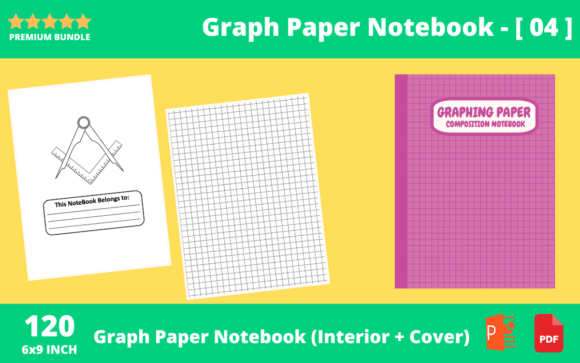
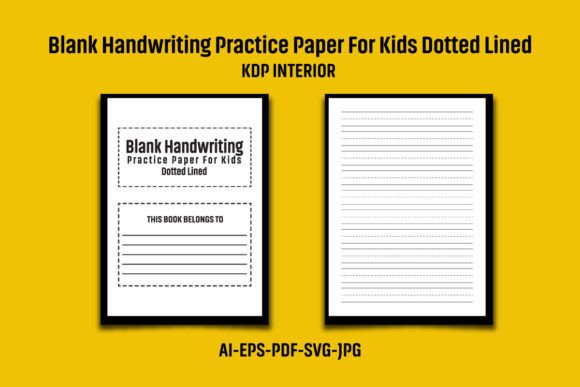
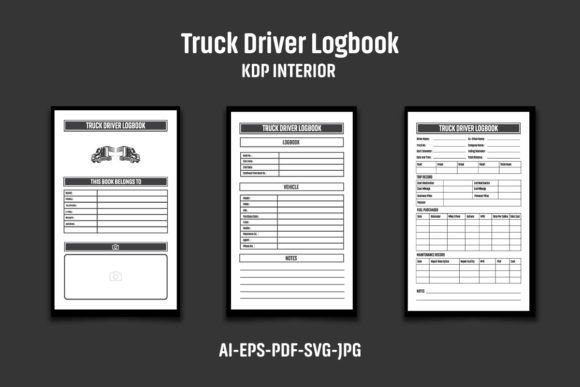
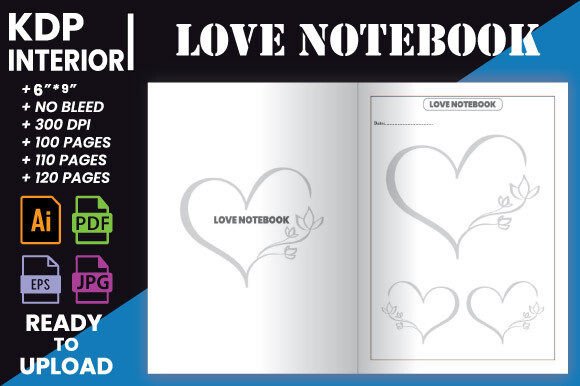
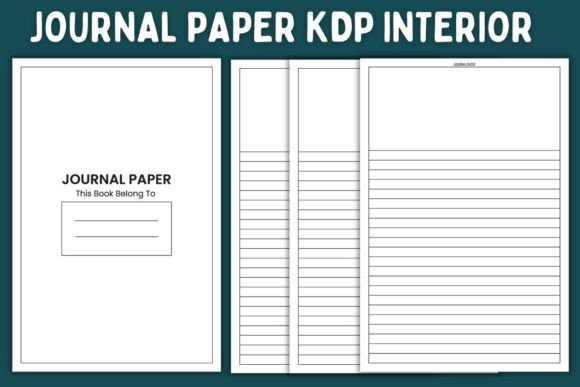
For anyone stepping into the world of self-publishing through Amazon's Kindle Direct Publishing, the interior design of a print book can feel like a significant hurdle. A Journal Paper Interior addresses this directly by offering a complete, pre-formatted set of pages ready for upload or home printing. Specifically designed for journals, notebooks, and daily drawing books, this type of product eliminates the need to build page layouts from scratch. The version examined here includes 120 pages formatted at 6 x 9 inches, with both bleed and no-bleed options, and is delivered at a crisp 300 DPI resolution. It arrives as a bundled package of PDF, JPEG, PNG, AI, and EPS files, meaning compatibility spans from direct KDP upload to extensive customization in Adobe Illustrator.
Understanding what this product actually provides is essential. It is not a physical notebook. It is a digital template containing 100 distinct interior page designs, each structured and sized for Amazon's print-on-demand specifications. The inclusion of both PDF ready-to-upload files and editable source files creates flexibility. Someone can take the PDF and publish immediately, or they can open the AI or EPS files and modify elements like line spacing, header text, or margin widths. The 6 x 9 inch trim size is one of the most commonly used dimensions on KDP, which means the designs align with what many shoppers expect when browsing journals.
Why Pre-Made Interiors Attract New and Experienced Publishers
There are several practical reasons someone might seek out a Journal Paper Interior instead of creating their own from scratch. For individuals launching their first KDP business, the learning curve associated with interior formatting can be daunting. Software like Adobe InDesign or Affinity Publisher takes time to master, and even small errors in margin settings or bleed can cause rejection during Amazon's review process. A professionally prepared interior removes that uncertainty. The files have already been constructed to meet KDP's technical requirements, which means the upload process becomes significantly smoother.
Speed to market is another driving factor. In competitive journal niches, being able to publish consistently matters. Designing 120 pages manually, even using templates, can consume hours or days. Having 100 interiors ready to go allows someone to focus their energy on cover design, keyword research, and category selection—elements that often influence discoverability more than the interior layout itself. For those who maintain a publishing schedule of multiple titles per month, this time savings compounds quickly.
There is also a creative benefit that deserves attention. Not everyone publishing journals is a trained graphic designer. A person may have a strong concept for a themed notebook—perhaps a gratitude journal for gardeners or a sketching book for architects—but lack the technical skill to translate paper ruling styles, dot grid spacing, or corner accents into a print-ready file. The availability of editable AI and EPS files means those publishers can still customize aesthetically without needing to construct the underlying structure.
Breaking Down the Benefits and What They Actually Mean
Let us examine the benefits claimed by this type of Journal Paper Interior and what each translates to in practical terms. The high-resolution 300 DPI specification is particularly important for print quality. Anything lower can result in lines that appear fuzzy or text that lacks sharpness when physically printed. For journals intended for handwriting, crisp lines are not a luxury—they are a basic expectation. A journal with soft or pixelated ruling will likely generate returns or negative reviews, so the resolution standard here aligns with professional printing norms.
The availability of both bleed and no-bleed versions addresses a common point of confusion for new publishers. Bleed refers to design elements that extend to the very edge of a trimmed page. Some journal styles benefit from decorative borders that reach the page edge, which requires bleed. Others, particularly minimalist or lined-only designs, function perfectly without it. Having both options means the publisher can choose based on the specific aesthetic they want, rather than being forced into one approach.
The range of file formats is worth examining closely. Here is what each format typically serves:
- PDF – The direct upload format for KDP. If no customization is needed, this is the file used as-is.
- JPEG and PNG – Useful for creating mockups, listing images, or previewing pages without opening design software.
- AI and EPS – Editable vector formats. These allow deep customization in Adobe Illustrator, including changing colors, removing elements, or adjusting line weights.
This range means the product accommodates both ends of the user spectrum: the upload-and-go beginner and the detail-oriented designer who wants to adapt every element. The inclusion of 100 distinct interiors, rather than a single repeated design, also provides variety that can be distributed across multiple journal titles or used to create a series with cohesive but differentiated interiors.
Tradeoffs and Considerations Before Deciding
Evaluating any product honestly requires looking at its limitations and the tradeoffs involved. One consideration with pre-made interiors is the potential for market overlap. If many publishers use the exact same Journal Paper Interior without customization, shoppers may eventually notice identical page layouts across different journal brands. This matters more in saturated subcategories where customers browse frequently. However, this risk can be mitigated by using the editable files to introduce subtle variations, such as adjusted header fonts or modified line patterns. The product supports this through the AI and EPS formats, but it does require the publisher to invest additional time and possess the necessary software skills.
Another factor is page count flexibility. The 120-page count is fixed. Some journal niches perform better with 100 pages, while others command premium pricing with 200 or more pages. A publisher targeting a niche where customers expect thicker notebooks would need to assess whether 120 pages aligns with market expectations. Amazon's printing costs scale with page count, so the margin structure should be calculated accordingly. The 6 x 9 inch trim size, while popular, may not suit every niche either. Square formats or larger dimensions sometimes perform better for specific audiences such as artists or planners.
Resolution quality depends on the original design. The specification states 300 DPI, which is appropriate, but the actual sharpness also depends on how the lines and patterns were originally constructed. Vector-based elements in the AI and EPS files should scale cleanly, but any raster elements embedded in the designs would be fixed at their original resolution. Buyers should verify that all elements meet their quality expectations before publishing.
Situations Where This Interior May Be a Strong Fit
There are specific scenarios where opting for this type of Journal Paper Interior makes strong practical sense. If you are testing multiple journal niches and need to publish quickly to gather data on what sells, the ready-to-upload PDFs remove a significant bottleneck. Instead of spending weeks designing interiors, you can focus on cover variations and keyword strategies. The 100 interiors allow for rapid iteration across different themes without starting from zero each time.
If you have design skills but limited time, the editable source files provide a middle ground. You are not paying for a fully custom interior, but you are also not stuck with an unchangeable template. Adjusting a few elements per design—perhaps changing a corner motif or altering the ruling style—can create distinction while preserving the reliable foundation. This approach balances efficiency with originality.
For those printing at home for personal use, the immediate availability of high-resolution files means you can print pages as needed for daily drawing, journaling, or sketching practice. The variety across 120 pages prevents the monotony that can come from using a single repeating page layout. This dual-use aspect adds value beyond the KDP publishing context.
When Alternatives Might Be Worth Exploring
There are situations where a different approach might serve your goals more effectively. If you are building a brand identity around a highly distinctive interior style, starting from a custom design may be preferable. A pre-made interior, even when customized, will likely retain traces of its original structure. For publishers who want complete control over every element—from the exact shade of the ruling lines to the placement of page numbers—commissioning a designer or building the file personally provides that level of precision.
If your journal niche demands unconventional page layouts, such as asymmetrical columns, integrated habit trackers, or mixed ruling styles on the same spread, a pre-made interior may require so much modification that the time saved becomes negligible. In these cases, a template built specifically for that niche might be more efficient, or a custom design might be warranted from the start.
Budget is also a practical consideration. Pre-made interiors represent an upfront cost that should be weighed against expected returns. For a publisher just experimenting, free resources or low-cost templates might serve as a starting point before investing in a comprehensive package. However, the inclusion of commercial licensing and KDP-ready formatting often justifies the cost for those serious about publishing.
Making a Decision That Aligns With Your Publishing Goals
Choosing whether to use this Journal Paper Interior should ultimately connect back to your specific publishing or creative objectives. Start by asking what you need most right now. Is it speed? The ready-to-upload PDFs deliver publishing velocity. Is it creative control? The editable AI and EPS files give you room to customize without starting from a blank canvas. Is it technical reliability? The KDP-ready formatting reduces the risk of file rejection.
Consider also your long-term publishing strategy. If you plan to release journals regularly, having a library of interiors you can draw from provides a foundation that grows in value over time. If you are publishing a single title as a personal project or gift, the equation shifts—what matters then is whether the specific designs match your vision for that one book.
Review the specifications carefully against your intended use. Confirm that the 6 x 9 inch size and 120-page count align with the market you are targeting. Verify the 300 DPI resolution through a print test before making the book publicly available. Examine the bleed options and decide which version suits your cover and interior design.
The value of a Journal Paper Interior like this lies in its ability to transfer technical formatting burden away from the publisher and toward a ready-made solution. For many KDP sellers, that transfer is exactly what enables them to move from planning to publishing. Others may find that partial customization using the vector files provides the right balance of efficiency and originality. By evaluating your needs honestly and understanding both the capabilities and the constraints of the product, you can make a grounded decision that supports your work rather than complicating it.