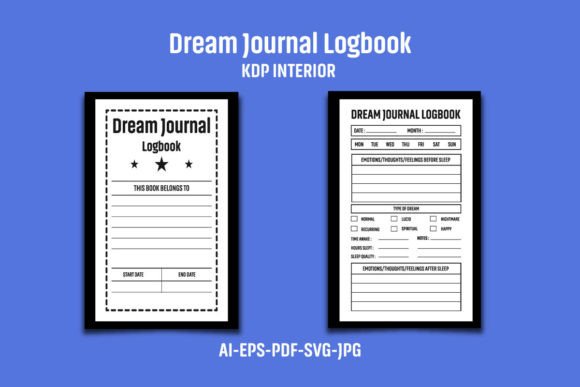
Crafting the Perfect Dream Journal Logbook KDP Interior for Self-Publishers
The quiet hours of the night hold a universe of untapped creativity, personal insight, and psychological exploration. For many, dreams are not just fleeting mental images but valuable sources of inspiration, self-awareness, and even problem-solving. A well-designed dream journal serves as the bridge between those ephemeral nocturnal experiences and lasting waking reflection. For independent publishers using Amazon's Kindle Direct Publishing platform, the Dream Journal Logbook KDP Interior represents a carefully prepared foundation upon which a meaningful product can be built.
Publishing journals, logbooks, and notebooks through KDP has become a thriving niche within the self-publishing community. The appeal is clear: low content books require no extensive manuscript writing, yet they fulfill genuine consumer needs. What separates a successful product from one that gets lost in the marketplace is often the quality and usability of the interior design. The Dream Journal Logbook KDP Interior is structured specifically to address these quality demands while streamlining the production workflow for publishers.
Understanding the Core Dimensions and Layout Structure
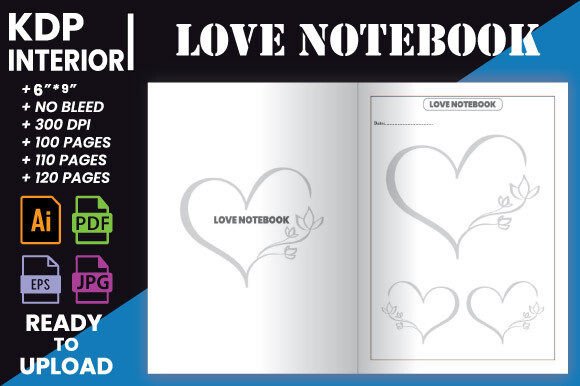
Every print-on-demand book must adhere to precise formatting standards to ensure proper printing and trimming. This interior package has been configured with the popular 6″x9″ paperback format, a size that feels substantial in the hand without being cumbersome on a nightstand. The actual interior dimensions extend to 6.12 x 9.25 inches, incorporating the necessary bleed area that prevents white slivers from appearing at page edges after the trimming process.
Bleed is a concept that often trips up newcomers to print design. It refers to the extra space beyond the final trim line where background colors or patterns extend, ensuring that slight variations in the cutting process do not leave unprinted borders. By including bleed in the overall dimensions, this interior package spares publishers from having to calculate and add it manually. The 110-page count provides ample room for daily logging while maintaining a spine width that works well for paperback binding.
File Formats and Software Compatibility
The package delivers multiple file formats to accommodate different workflows and software preferences. The inclusion of an AI file (Adobe Illustrator) and an EPS file (Encapsulated PostScript) in CS6 version ensures compatibility with older and newer versions of professional design software alike. For those who prefer working with open standards, the SVG (Scalable Vector Graphics) format offers flexibility across various vector editing applications. The PDF file serves as a ready-to-upload option for those who wish to proceed directly to publishing with minimal adjustments.
Additionally, two JPG files provide high-resolution raster previews or can serve as source material for those working primarily in photo editing software. All files maintain 300 DPI resolution, the industry standard for print quality that ensures crisp lines and clear text reproduction on physical pages.
The Advantage of Black and White High-Resolution Interiors
KDP charges printing costs based in part on whether a book contains color or black-and-white interior pages. For journals, logbooks, and trackers, black-and-white interiors offer the most economical path while still delivering professional results. The Dream Journal Logbook KDP Interior is designed specifically with this in mind, featuring clean black elements on white backgrounds that print consistently across Amazon's global network of print facilities.
High resolution at 300 DPI ensures that even fine lines, small text, and delicate border elements reproduce with clarity. Lower resolution files can result in fuzzy edges or visible pixelation, which undermines the perceived quality of the final product. For a dream journal, where the user experience involves intimate, quiet moments of reflection, such quality issues would be particularly jarring.
Easy Color Modification Capabilities
While the interior is provided in black and white, the vector-based nature of the AI, EPS, and SVG files means that publishers can easily modify color schemes if desired. Perhaps a publisher wants to release a variation with soft gray lines instead of stark black, or one with a subtle blue tint for a calming aesthetic. The "easy to color change" feature mentioned in the product specifications speaks to the editable nature of vector artwork, where selecting and modifying element colors takes only moments.
This flexibility extends the utility of a single interior purchase across multiple product variants, each targeting slightly different customer preferences or niche markets within the dream journal category.
Practical Workflow for KDP Upload Preparation
Amazon KDP employs duplicate content detection systems designed to maintain marketplace quality. When multiple sellers upload identical interior files, the platform may flag the content. This is why a crucial step in the publishing workflow involves customizing the interior before uploading it. Publishers are advised to add their own branding elements—whether that is a subtle logo on interior pages, a uniquely styled title page, or custom prompts and headers that differentiate their version from others using the same base interior.
The note within the product specifications regarding the exclusion of images, text fonts, and mockups clarifies that the presentation materials used to market the interior template are separate from what the purchaser receives. The downloaded ZIP file contains the raw, editable interior files ready for customization. Extracting these files requires standard compression software such as WinZip, WinRAR, or the built-in extraction tools available in modern operating systems.
Structural Elements of an Effective Dream Journal
What makes a dream journal layout effective goes beyond mere aesthetics. The arrangement of space for recording dream content, the inclusion of secondary prompts, and the overall flow from page to page all contribute to whether users will stick with their journaling practice or abandon it after a few entries. Well-designed Dream Journal Logbook KDP Interior templates typically incorporate several key structural elements.
Date and Title Fields
Every dream entry benefits from contextual information. A dedicated space for the date anchors the dream in time, allowing users to later identify patterns, recurring themes, or connections to waking life events. A title field, even if optional, gives the dreamer a way to quickly reference specific dreams when flipping through the journal weeks or months later.
Primary Dream Description Area
The main content area must offer sufficient space for detailed narrative. Dreams can be remarkably intricate, and a cramped writing area discourages the kind of thorough documentation that makes dream journaling valuable. Generous line spacing and well-proportioned writing blocks invite the user to capture as much detail as they can recall upon waking.
Supplementary Reflection Sections
Beyond the raw dream narrative, thoughtful journals often include spaces for interpretation, emotional response, or identification of dream symbols. These sections transform the journal from a simple log into a tool for psychological exploration. Questions like "How did this dream make you feel?" or "Possible connections to waking life" guide the user toward deeper engagement with their subconscious content.
Target Audiences and Market Positioning
The audience for a dream journal is surprisingly diverse. Mental health practitioners sometimes recommend dream journaling as a therapeutic exercise. Creative professionals—writers, artists, musicians—mine their dreams for inspiration and novel ideas. Spiritual seekers and those engaged in mindfulness practices use dream journals as part of broader self-awareness regimens. Even scientific and analytical thinkers find value in tracking sleep patterns, dream frequency, and recurring motifs.
A publisher who understands these varied motivations can tailor the customized interior to speak directly to a specific segment. The base interior provides the structural foundation, while added text prompts, introductory pages, and section headers create the targeted messaging that resonates with a chosen audience.
Quality Considerations for Paperback Production
Print quality in KDP paperbacks depends on both the source files and the printing facility that handles the order. The 300 DPI resolution specified in this interior package aligns with best practices for high-quality output. Publishers should also consider paper selection—cream paper offers a warmer, more traditional journal feel, while white paper provides maximum contrast and a cleaner look.
The 110-page count strikes a practical balance. Too few pages and the journal feels insubstantial, potentially disappointing customers who expect a longer-lasting product. Too many pages increase printing costs and create an unwieldy spine. For a daily dream journal, 110 pages can accommodate several months of regular use, making it a reasonable value proposition for the end user.
Customization Beyond Basic Branding
Adding a logo is the minimum customization step, but publishers who invest additional effort in tailoring the interior can create truly distinctive products. Consider incorporating dream-related quotes on chapter divider pages. Add a brief guide on dream interpretation techniques at the beginning of the journal. Include a dream symbol index or a lunar phase tracker for those interested in the connection between sleep cycles and celestial rhythms.
These additions transform a generic template into a thoughtfully crafted product that earns positive reviews and repeat purchases. The editable nature of the vector files makes such customizations accessible to anyone with basic design software skills.
File Management and Extraction Process
Upon purchase, the interior files arrive compressed within a single ZIP archive. This packaging method keeps related files together and reduces download sizes. Extracting the contents requires decompression software. On Windows systems, right-clicking the ZIP file and selecting "Extract All" initiates the built-in extraction wizard. Mac users can simply double-click the ZIP file to expand it into a folder. For those with WinZip or WinRAR installed, these programs offer additional options such as selective extraction or password protection.
Once extracted, the collection of files—AI, EPS, PDF, SVG, and JPG formats—should be stored in an organized project folder. Maintaining clear file naming conventions and version tracking becomes increasingly important as customizations progress through multiple iterations.
Preventing Common Upload Rejections
KDP has specific requirements for interior files that go beyond content quality. Margins must be sufficient to prevent text from being lost in the binding gutter. The interior must be formatted as a single PDF with pages in the correct reading order. File size limitations apply, though 110 pages of vector-based black-and-white content typically falls well within acceptable ranges.
Publishers should use Amazon's print preview tool to verify that all elements appear correctly positioned after upload. This preview simulates how the printed book will look and can reveal margin issues, bleed problems, or font embedding errors before the book goes live.
The Role of Consistent Interior Design in Brand Building
Publishers who release multiple journal titles benefit from developing a recognizable design language across their catalog. A consistent approach to font choices, line styles, and page architecture creates a visual signature that repeat customers come to recognize. The Dream Journal Logbook KDP Interior can serve as a starting point for this cohesive design system, with elements adapted and carried forward into other journal types such as gratitude journals, meditation logs, or general daily diaries.
Brand consistency extends to the cover design as well, but the interior experience—the pages the customer actually writes on—determines whether they will purchase from the same publisher again. A well-crafted interior builds trust and satisfaction in ways that cover design alone cannot achieve.
Adapting the Interior for Niche Variations
The dream journal market contains numerous sub-niches. Lucid dreaming enthusiasts want reality check reminders and awareness cues integrated into their journals. People experiencing recurring nightmares might benefit from prompted exercises focused on narrative reshaping. Children's dream journals require larger writing spaces, playful design elements, and simpler language in any instructional content.
With the editable source files, a single interior purchase can spawn multiple niche adaptations. Change the section headers, add specialized prompt pages, or modify the overall tone through typography choices—the vector formats make these transformations efficient and non-destructive to the original file structure.
Long-Term Value of Quality Interior Templates
Investing in well-constructed interior templates like the Dream Journal Logbook KDP Interior pays dividends across multiple publishing projects. Rather than starting from scratch with each new title, publishers build a library of proven layouts that can be mixed, matched, and modified. The time saved on layout work can be redirected toward market research, cover design, and customer engagement—activities that directly impact sales performance.
The 6″x9″ format with bleed, the 300 DPI resolution, and the multi-format file delivery represent a professional-grade starting point that eliminates many of the technical hurdles associated with print-ready file preparation. For publishers serious about building a sustainable low-content book business, such foundations are not luxuries but necessities.