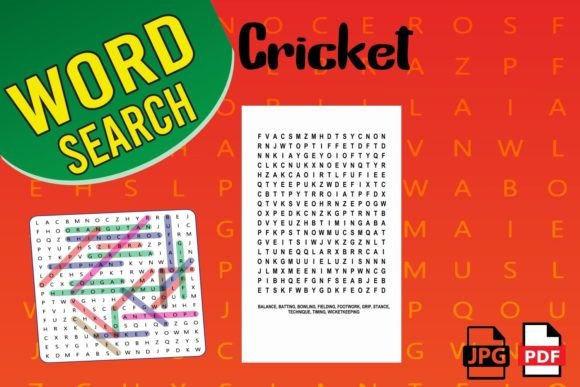
The Growing Appeal of Cricket Word Search Puzzles in Self-Publishing
Activity books have carved out a substantial and enduring niche in the print-on-demand marketplace. Among the most popular formats, Cricket Word Search Puzzles stand out as a compelling blend of sports enthusiasm and mental stimulation. For self-publishers using platforms like Kindle Direct Publishing, these puzzles offer a relatively low-barrier entry point into a hungry market. The audience is already there—cricket fans spanning continents, age groups, and cultural backgrounds who actively seek themed entertainment. What makes this particular niche so attractive is its specificity. A generic word search book competes against millions of titles. A carefully branded collection of Cricket Word Search Puzzles immediately signals its identity to a passionate and identifiable group.
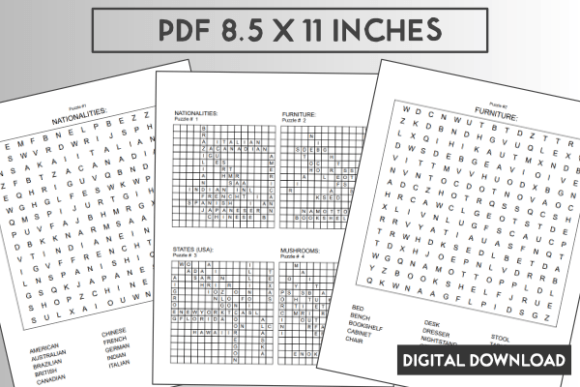
When considering the practical side of creating these interiors, the specifications matter enormously. The standard configuration many designers settle on includes a set of files tailored for seamless KDP upload and printing. Think about what the formatter needs: a high-quality print-ready PDF file, typically containing multiple puzzle pages, along with corresponding JPG files for previews, marketing, or alternate platform use. The 8.5 x 11 inch trim size has become something of an industry default for activity books. It provides generous space for the puzzle grid, a word bank that doesn't feel cramped, and thematic decorative elements that elevate the page from a simple worksheet to a polished product.
Designing Interiors That Feel Professional and Engaging
The interior layout of a cricket-themed puzzle book does more than hold letters in a grid. It communicates quality, intention, and respect for the solver's experience. A poorly spaced puzzle with inconsistent fonts and misaligned rows erodes trust. A clean, symmetrical grid with clearly legible uppercase letters and thematically appropriate typography signals that the creator cares. Cricket Word Search Puzzles intended for KDP need to account for margin requirements, bleed settings, and the inevitable gutter space that comes with perfect-bound paperbacks.
The typical package offered by designers—3 PDF pages, 3 JPG files—might sound minimal, but it contains everything a publisher needs to get started. The PDF serves as the print-ready master, while the JPGs allow for quick insertion into book mockups, social media promotions, or listing images on Amazon. Publishers often underestimate the value of having both vector and raster formats at their disposal. The PDF ensures crisp lines and scalable quality when KDP's systems process the file. The JPGs let you create A+ content, social proof, and engaging previews that help browsers understand exactly what they are purchasing.
Understanding the 8.5 X 11 Inch Advantage
Size choices in activity book publishing are rarely arbitrary. The 8.5 x 11 inch format mirrors standard letter paper, which carries several subtle advantages. Customers perceive the book as substantial and worth the price. The larger dimensions permit more words per puzzle, more intricate grids, and more white space for annotations or scoring. For elderly solvers or younger cricket fans who may benefit from larger text, this size accommodates bigger font sizes without sacrificing puzzle complexity. From a production standpoint, it also aligns beautifully with home printers, meaning that a segment of buyers might even purchase the digital version and print pages at home—adding perceived value to the product.
Practical Considerations for KDP Publishers
Anyone preparing Cricket Word Search Puzzles for print-on-demand needs to think beyond the puzzle construction itself. The technical requirements imposed by KDP's printing process can trip up newcomers. Margins need to be generous, usually at least 0.5 inches on all sides, with the inside margin requiring extra room for the binding. The print-ready PDF file must be sized exactly to 8.5 x 11 inches with any bleed extending beyond the trim line if the design requires it. Color management presents another layer of consideration. While many activity books use black and white interiors to keep printing costs low and maximize royalty margins, some creators add subtle color accents to section headers, word banks, or decorative cricket-themed borders.
The three JPG files included in a standard package serve multiple purposes beyond the obvious. One might be used as the cover design element, another as a lifestyle mockup showing a family solving puzzles together, and a third as a detail shot revealing the interior quality. Amazon's algorithms respond favorably to listings with rich visual content. A well-designed JPG that showcases a clean, engaging puzzle page can be the deciding factor between a browser clicking away or adding the book to their cart.
Thematic Depth and Vocabulary Selection
The soul of any great themed puzzle book lies in its word selection. Cricket Word Search Puzzles draw from a remarkably rich lexicon. Beyond obvious terms like "wicket," "batsman," and "boundary," there exists a deep reservoir of cricket terminology that fans recognize and love. Terms like "googly," "doosra," "silly mid-off," "leg before wicket," "Yorker," and "bouncer" add layers of authenticity. International tournaments, legendary player surnames, iconic stadium names, and historical moments all provide fertile ground for word lists that feel curated rather than randomly generated.
A thoughtfully assembled puzzle book balances accessibility with challenge. The first few puzzles might feature shorter, more familiar terms arranged in straightforward horizontal and vertical orientations. Later puzzles introduce diagonal placements, reverse words, and overlapping letter paths. This progression keeps solvers engaged and provides a sense of accomplishment as difficulty increases. The cricket theme allows for natural segmentation too—one section might focus on bowling terminology, another on famous test matches, and yet another on World Cup history.
File Quality and Print Readiness
The phrase "high-quality print-ready PDF file" carries significant weight in the print-on-demand ecosystem. It implies vector-based elements where appropriate, embedded fonts, proper color profiles, and resolution settings that meet or exceed KDP's requirements. For Cricket Word Search Puzzles, the clarity of each letter in the grid matters enormously. A customer who struggles to distinguish between a poorly printed "O" and "Q" will leave a negative review regardless of how clever the puzzle concepts might be. The best practice involves designing at 300 DPI minimum, using crisp, sans-serif fonts for the grid letters, and ensuring consistent stroke widths throughout.
Testing the PDF before uploading saves immense frustration. Many designers run their files through preflight checks, examining overprint settings, transparency flattening, and image compression. A common pitfall involves rasterizing text unintentionally during export, resulting in slightly fuzzy characters when printed. The JPG files, while inherently raster, should also be exported at 300 DPI with sufficient compression to balance quality and file size. These JPGs often end up on product pages where Amazon compresses them further, so starting with high quality provides headroom for that inevitable degradation.
Integrating Cricket Culture Beyond the Grid
The most memorable Cricket Word Search Puzzles do not simply present grids in isolation. They incorporate subtle design elements that celebrate cricket culture. Page headers might feature small cricket ball or bat icons. The word bank area could use a background that evokes a scorecard. Section dividers might reference famous commentary quotes or tournament logos rendered in public-domain stylistic treatments. These touches create an immersive experience that transforms a puzzle book into a cricket lover's keepsake.
Color palettes, even in black-and-white interiors, can draw inspiration from cricket whites, the deep red of a test match ball, or the vibrant greens of a well-maintained pitch. The grayscale values used for decorative elements should print cleanly without muddying the page. Publishers who invest time in these aesthetic considerations often find their books commanding higher prices and generating more repeat customers who look for other titles in the same series.
Market Positioning and Audience Awareness
Cricket's global footprint spans the United Kingdom, Australia, India, Pakistan, South Africa, New Zealand, the Caribbean nations, and growing markets in the Middle East and beyond. Each region brings its own flavor of fandom and terminology. A puzzle book targeting the Indian market might emphasize IPL teams, Bollywood cricket references, and Hindi commentary phrases. One aimed at English audiences might lean into county cricket, Ashes history, and BBC Test Match Special lore. Cricket Word Search Puzzles allow for this geographic tailoring without requiring entirely new puzzle structures—the word lists simply shift to reflect the audience's cultural touchpoints.
Age demographics also merit attention. Seniors often appreciate larger print, straightforward layouts, and nostalgic references to players from the 1960s through 1980s. Children and teenagers gravitate toward current stars, T20 energy, and slightly more playful design elements. A smart publisher might create a series with distinct editions—"Classic Cricket Word Search" for older fans and "Cricket Superstars Word Hunt" for the younger crowd—building a brand presence that spans generations.
Solver Experience and Cognitive Benefits
Word search puzzles offer more than passive entertainment. They engage pattern recognition, reinforce vocabulary, and provide a gentle cognitive workout that appeals across age ranges. For cricket fans, solving Cricket Word Search Puzzles doubles as a nostalgic journey through the sport they love. Finding the word "Chinaman" or "Nightwatchman" triggers memories of specific matches, commentators' voices, and the emotional highs and lows of fandom. This emotional resonance separates themed puzzles from generic alternatives.
The sense of completion when circling the last hidden word carries psychological weight. In an increasingly digital and fragmented attention landscape, analog puzzles offer focused, screen-free engagement. Parents buy these books for long car journeys, rainy afternoons, and quiet time. Retired fans keep them on coffee tables and nightstands. The activity becomes a gentle ritual rather than a rushed task. Publishers who understand these usage contexts can design accordingly—including clear completion trackers, motivational quotes between sections, or even small trivia facts that solvers discover as they work through the book.
Production Efficiency and Scaling
Once the initial template establishes itself, scaling a cricket puzzle book series becomes remarkably efficient. The 8.5 x 11 inch interior template, the font pairings, the margin settings, and the overall design language remain consistent across volumes. Only the word lists, their grid placements, and any thematic decorative elements need reworking. A creator who develops a solid system can produce multiple volumes targeting different cricket seasons, tournament cycles, or difficulty levels with relatively modest incremental effort.
The three-file package—PDF plus multiple JPGs—supports this scalability. The print-ready PDF serves as the master from which all variations derive. The JPGs can be updated with volume-specific previews that help returning customers recognize new additions to the series at a glance. Publishers should maintain organized file structures, version their designs clearly, and archive successful templates for future repurposing. The investment in creating a high-quality initial set of interiors pays dividends as the catalog grows.
Common Pitfalls and How to Avoid Them
Even experienced publishers encounter challenges when creating Cricket Word Search Puzzles for KDP. One frequent issue involves word placement inadvertently creating unintended words within the grid. A solver searching for "RUN" might encounter "RUNOUT" partially overlapping, causing confusion. Careful grid construction and thorough testing prevent these frustrations. Another pitfall involves cultural sensitivity—cricket, like any sport with colonial history and passionate rivalries, contains terminology and references that can be interpreted differently across communities. Thoughtful curation of word lists avoids alienating segments of the target audience.
Technical upload errors also plague newcomers. Uploading a JPG as the interior file instead of the PDF, forgetting to flatten transparency layers, or misconfiguring the page count can trigger rejection from KDP's automated checks. The solution involves methodical preparation, following KDP's formatting guidelines precisely, and ordering proof copies before publishing. A physical proof reveals issues invisible on screen—ink coverage that looks fine digitally might appear washed out in print, and font sizes that seem generous on a monitor might prove too small on paper.
Why Cricket Word Search Puzzles Endure
The sustained demand for themed puzzle books reflects something fundamental about human psychology. People enjoy testing their knowledge and perception within a structured, low-stakes environment. Cricket Word Search Puzzles offer exactly that—a challenge framed in the comfortable language of a beloved sport. The familiar terms, the satisfying letter hunts, and the tangible progress through a book create an experience that digital alternatives struggle to replicate. For the self-publisher, this represents a product category with genuine staying power, not a fleeting trend.
Creating these interiors with professional specifications—high-quality print-ready PDF files, complementary JPG assets, and the proven 8.5 x 11 inch format—positions the product favorably in a crowded marketplace. The details distinguish a premium offering from a rushed effort. Sloppy grids, inconsistent formatting, and generic theming communicate amateur status to potential buyers who have learned to judge books by their interior previews. Investing in clean design, thoughtful word curation, and proper file preparation transforms a simple collection of puzzles into a credible product that cricket fans feel proud to own and gift.
Ultimately, the ecosystem surrounding Cricket Word Search Puzzles for KDP thrives on the intersection of passion and professionalism. Cricket lovers bring their enthusiasm and domain knowledge. Designers and publishers bring technical precision and market awareness. When those forces combine in a thoughtfully executed activity book, the result serves everyone—the solver gains hours of enjoyment, the platform processes a quality product, and the creator builds a sustainable publishing catalog around a sport that commands genuine devotion across continents.