Game Book Puzzle V1: Celebrating Playful Typography
Some typefaces just show up on the page. A few invite you to play. Game Book Puzzle V1 belongs firmly in that second camp—a deliberate jumble of letterforms that feel pulled from a child’s puzzle book, then refined with the polish a modern creative project demands. It doesn’t try to look corporate, and that’s the point. The personality is loud, tactile, and a little mischievous, as if each character was sketched in the margins of a notebook during a long board game night. As a display font, it trades crisp geometry for organic wobble, inconsistent baseline, and a hand-drawn energy that makes every word feel customized.
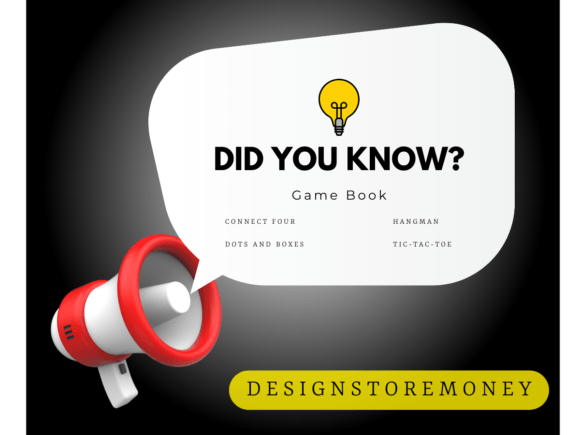
What truly sets the family apart is the companion glyph set bundled under the full name: Game Book Puzzle V1 Connect Four Dots and Boxes Hangman Tic-Tac-Toe. This isn’t just a font file; it’s a compact design kit. Beyond the alphabet, you’ll find fully drawn game boards, dotted grids, hanging gallows, and familiar tic-tac-toe arrays. For a content creator building interactive social media prompts, a blogger designing a printable activity sheet, or a small business owner crafting event signage, these ready-made design assets eliminate hours of manual illustration while keeping every piece visually coherent.
The Personality Behind Puzzle-Inspired Letterforms
Look closer at the letters themselves. The A’s crossbar might droop slightly, the E’s middle arm could be a tad too short, and the G looks like it was decided mid-stroke. That’s intentional inconsistency, rooted in the typeface’s board-game nostalgia. The visual texture borrows from printed puzzle book covers of the 1980s—think chunky, slightly rounded terminals, unapologetically low contrast, and a weight distribution that never feels mechanical. While many handwritten font options lean too script-ish, this one sits in a quirky midpoint: part marker pen, part rubber stamp, part serif font in spirit but sans-serif in structure.
The included game icons reinforce that aesthetic. A Connect Four framework isn’t just a generic grid; it carries the same line quality and uneven dot spacing as the letter O. The Hangman element mirrors the baseline fidgets of the lowercase y, and the Dots and Boxes patterns share the stroke thickness of uppercase H. That internal consistency lets you mix words and game elements without the jarring disconnect that happens when you pull clip art from three different sources. For small business owners who don’t have a dedicated illustrator, this bundled cohesion is a quiet time-saver.
Where Game Book Puzzle V1 Finds Its Sweet Spot
You won’t set body copy in this typeface, and you shouldn’t try. Game Book Puzzle V1 lives in headlines, callouts, and large-format applications where its playful irregularity becomes a feature rather than a reading obstacle. Below are a few environments where the font does its best work, often in surprising ways.
- Logo design and brand marks: For a board game café, an indie video game studio, a children’s tutoring center, or a family-friendly restaurant, the typeface injects instant approachability. Pair just two letters with one of the Tic-Tac-Toe symbols, and you have a mark that feels both nostalgic and fresh.
- Editorial design and print: Magazine pull quotes, children’s book covers, activity page headers, and event flyers all benefit from a font that refuses to be invisible. In a zine about retro gaming, these letterforms are as on-theme as the content itself.
- Packaging design: Specialty snacks, craft beer labels, puzzle kits, or toy packaging that wants to signal fun without shouting. The hand-drawn texture softens the product and makes mass production feel bespoke.
- Social media graphics and digital campaigns: Instagram story templates, YouTube thumbnail text, interactive polls that use the Hangman or Connect Four icons, and email newsletter headers can stand out in feeds saturated with sterile sans-serifs.
- Web design accents: Use it sparingly for hero section phrases, blog title overlays, or 404-page messages. Even a single word like “Oops!” set in this typeface changes the tone of a utility page from cold to compassionate.
Across all these, the font’s ability to signal play without drifting into childish territory matters. The edges stay slightly rough, the mood stays witty, and adults 20–50 respond to the visual language of analog gaming—not cartoons. That cultural sweet spot makes it especially useful for brands targeting millennials and Gen Xers who grew up with physical connect-four boards and paper hangman games.
Influencing Readability, Hierarchy, and Brand Perception
Type choices directly shape how an audience judges professionalism, trustworthiness, and tone. Game Book Puzzle V1 doesn’t try to look authoritative; it leans hard into warmth and relatability. In the right context, that shift can elevate a brand’s recognition. When a boutique stationery brand uses the font for product names, customers subconsciously associate the imperfections with human effort and craftsmanship. The visual hierarchy also stabilizes because the typeface grabs attention first, allowing supporting sans serif font choices—say, a clean geometric or humanist face—to handle the explanatory heavy lifting without competing.
From a readability perspective, the font demands generous sizing and comfortable spacing. Setting a headline at 48 pixels or above lets the quirky letter widths feel deliberate. Crowding small-print menu descriptions or dense product specs in this family would sabotage usability. Designers who treat the typeface as a high-impact moment, not a workhorse, consistently see stronger audience engagement. A craft blogger who uses the Hangman icon and a single-word headline like “Won?” on a giveaway announcement card creates a visual hook that stops thumbs mid-scroll, and that’s the behavioral effect many modern marketing messages have lost.
Brand consistency gets a boost from the puzzle glyph set. Instead of hiring an illustrator to draw game boards for each campaign, a small business can pull from the exact same Dots and Boxes grid year after year. The repeated visual language builds recognition more reliably than endlessly shifting styles. Over time, that same Connect Four grid becomes a proprietary asset customers mentally attach to the business—just like a color palette or a logo shape.
Making the Font Work Hard in Real Projects
Let’s move from theory to practice. Suppose you run a pop-up escape room company. Your logo might stack “ESCAPE” in Game Book Puzzle V1 with intentional letter-spacing, while a supporting modern typography sans-serif holds location and booking details. Your Instagram teaser could feature a tic-tac-toe grid where two X’s and an O hint at unsolved puzzles, all rendered with the font’s native symbols. No outside graphics needed. For the physical room, a wall decal using the Hangman scaffold with blank spaces invites players into the narrative before the clock starts. Each touchpoint shares a typographic thread, yet the application feels custom-built.
A content creator selling printable party packs can similarly reduce production friction. Drop the Dots and Boxes game board into a PDF, set the instructions in a legible sans serif font, label each game with the puzzle typeface, and export. The resulting aesthetic reads as cohesive enough to sell as a premium product, not a hasty Canva mashup. This matters enormously when customers decide whether your $5 digital download looks worth the price—or looks like something they could have assembled in ten minutes.
I’ve also watched small publishers use Game Book Puzzle V1 for interactive fiction titles. Chapter openings with a Connect Four grid subtly change each time, rewarding attentive readers. The font’s irregularity mirrors the uncertainty of the story itself, creating a multisensory reading experience far beyond what a standard text typeface could deliver.
Choosing, Pairing, and Licensing the Typeface Wisely
Before hitting download, evaluate three things: project fit, pairing logic, and licensing clarity.
First, audit your project’s tone. If the core message depends on precision, formality, or luxury, this probably isn’t your lead typeface. But if you’re designing a children’s museum campaign, an indie game jam site, a coffee shop loyalty card with a “Dots & Coffee” promo, or a newsletter for board game enthusiasts, the fit is immediate. Ask yourself: does the visual noise of an inconsistent baseline add emotion, or distract from it? For the right audience, it amplifies.
Next, test font pairings before committing to an entire layout. A stable workhorse like a neutral grotesk or an open-source humanist sans serif font (think Inter, DM Sans, or the like) balances the display face’s jitter. For brands that want a dash of retro authenticity, pair it with a slab serif for subheadings—the persistent square serifs play nicely with the puzzle aesthetic without duplicating it. Avoid combining Game Book Puzzle V1 with another highly expressive typeface; the visual conversation turns into shouting. Let this font be the star, and keep body copy, navigation, and metadata in something understated.
Readability checks are non-negotiable. Print a sample headline at target size and view it from the intended distance—across a room for signage, or on a phone screen for social graphics. If any letterforms degrade into blobs, increase tracking or simplify the wording. For Hangman and Tic-Tac-Toe icons, confirm the lines don’t thin out at small print dimensions; you may need to scale them independently of the text for clarity.
Finally, untangle the commercial font license before the project goes live. The full Game Book Puzzle V1 Connect Four Dots and Boxes Hangman Tic-Tac-Toe bundle likely comes with a specific end-user agreement. Check whether embedding in digital products (e.g., an app, an e-book, a printable PDF sold to multiple customers) is covered. Some marketplaces grant broad commercial use, others require an extended license for templates or merchandise. If you’re a small business owner shipping physical goods with the typeface on boxes, verify that print run limits or logo trademarking permissions are clear. Licensing headaches are the fastest way to sour a creative project, and five minutes of reading the fine print saves a costly redesign.
There’s a moment in every project where you choose between a forgettable safe choice and a typeface that makes people pause. Game Book Puzzle V1 sits in that second category, not because it’s loud, but because it’s honest about what it is: a celebration of analog play, wrapped in a creative font that understands the difference between childish and playful. When you need audience engagement that feels like an invitation rather than a command, sneaking a tic-tac-toe board into your headline might just be the smartest design decision you make all week.